
Moving Checklist: Everything You Need to Pack
Complete room-by-room packing checklist to ensure nothing gets left behind. Professional packing tips and organization strategies for a stress-free move.
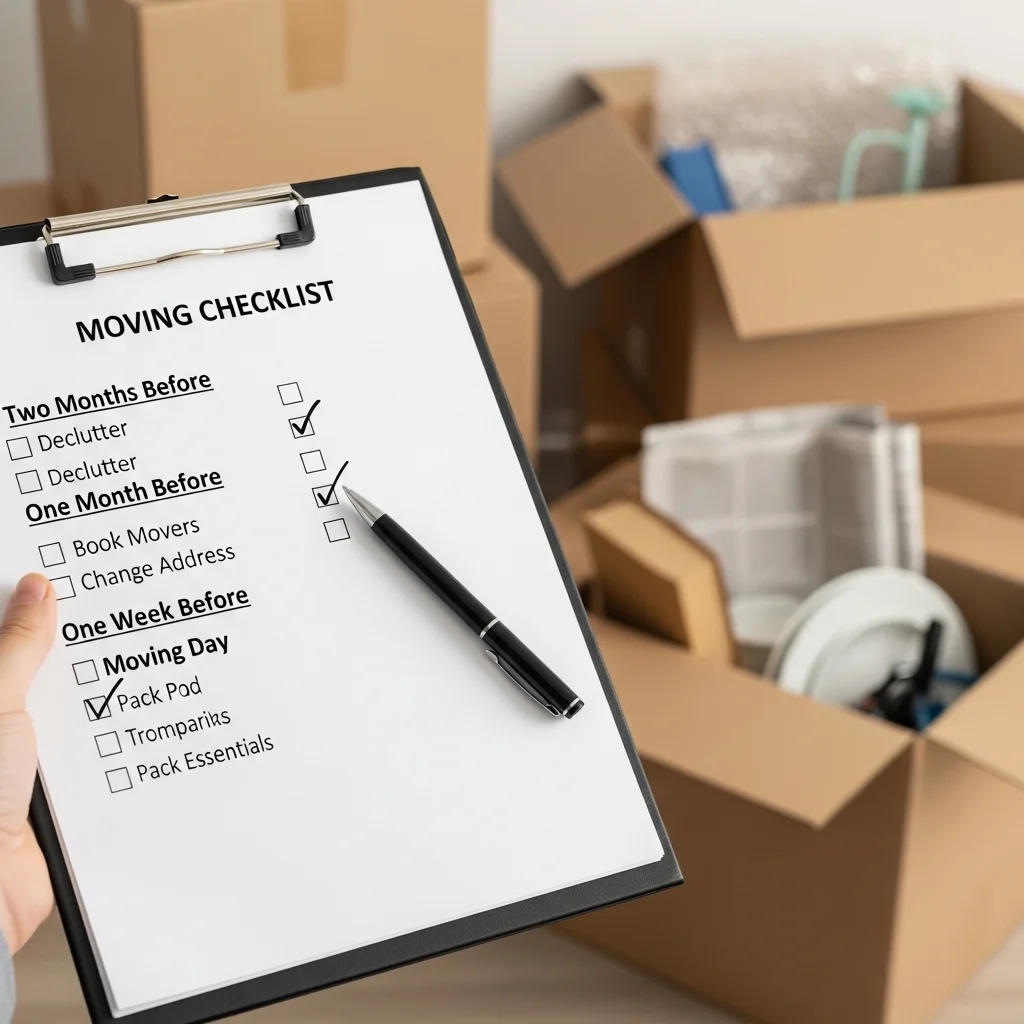
Why Do You Need a Room-by-Room Packing Checklist?
Packing for a move can feel overwhelming, but research from the moving industry shows that residents who use a structured, room-by-room checklist are 65% less likely to leave items behind and finish packing 30% faster than those who pack randomly. In Dubai, where building management often allocates strict 4-hour elevator windows, efficiency is not just nice-to-have - it is essential.
This comprehensive packing guide is designed specifically for Dubai residents. Whether you are moving from a 2-bedroom apartment in JLT or a 5-bedroom villa in Arabian Ranches, this checklist ensures nothing gets forgotten. You can print it, share it with your professional packing team, or use it as a supervision tool on packing day.
What Supplies Do You Need Before You Start Packing?
Essential Packing Materials
Gather these supplies before you pack your first box. In Dubai, you can source packing materials from hardware stores like ACE, online retailers, or directly from your moving company (many include materials in full-service quotes).
- Sturdy boxes: Small (books/heavy items), medium (kitchen/general), large (linens/lightweight items), extra-large (pillows/duvets). Budget AED 5-18 per box.
- Bubble wrap: At least 2 rolls (30m each) for a 2-bedroom apartment
- Packing paper: Acid-free, unprinted paper for wrapping dishes and fragile items
- Packing tape: 4-6 rolls plus a quality dispenser (cheap dispensers waste time)
- Permanent markers: At least 3 colours for room-coding
- Box cutter or scissors
- Furniture blankets: 6-12 for a standard apartment move
- Stretch wrap: For securing furniture drawers and doors
- Mattress covers: Essential in Dubai's dusty climate
- Wardrobe boxes: 2-4 for hanging garments
- Ziplock bags: For screws, hardware, and small parts during furniture disassembly
Estimated total material cost: AED 300-500 for a 1-bedroom, AED 500-800 for a 2-3 bedroom, AED 800-1,200 for a villa. Alternatively, professional packing services include all materials in their pricing.
Packing Best Practices for Dubai Moves
- Start packing 4-6 weeks before your move - begin with rooms and items you use least
- Pack one room at a time to maintain organisation
- Label every box on three sides: room name, contents summary, and fragile/heavy warnings
- Keep boxes under 15kg - movers can refuse overweight boxes and they risk splitting
- Use soft household items (towels, linens, t-shirts) as free protective wrapping for fragile items
- Dubai-specific: Pack candles, chocolates, and cosmetics in insulated bags if moving during summer (they will melt in a hot truck)
- Dubai-specific: Seal all liquid containers with plastic wrap under the cap - pressure changes in elevators can cause leaks
How Should You Pack Your Kitchen?
The kitchen is typically the most time-consuming room to pack, containing the most fragile items per square metre. Professional packers allocate 2-3 hours for a standard Dubai apartment kitchen. Start with items you rarely use (fine china, speciality appliances) and leave everyday essentials for the last day.
Dishes and Glassware
- Plates: Wrap each individually in packing paper, stack vertically (on edge) like records - they are much stronger this way
- Bowls: Nest with paper between each, wrap the bundle
- Glasses and cups: Stuff inside with crumpled paper, wrap entirely in bubble wrap
- Wine glasses and stemware: Use cell dividers within a dish-pack box; wrap stems individually
- Serving platters and dishes: Wrap in bubble wrap, pack vertically
- Mugs and coffee cups: Wrap handles with extra padding
For detailed fragile packing techniques, see our expert guide to packing fragile items.
Cookware, Appliances, and Pantry
- Pots and pans: Nest with paper towels or packing paper between each to prevent scratching
- Small appliances: Original boxes are ideal. Otherwise, wrap in bubble wrap and pack in appropriately sized boxes. Label cords and accessories.
- Knives: Wrap each blade individually in cardboard, then tape securely. Never pack loose knives.
- Pantry items: Move only unopened, sealed dry goods. Tape spice jar lids. Seal oils in ziplock bags. Donate or consume open perishables.
- Refrigerator: Defrost 24 hours before the move. Clean with baking soda solution. Leave door slightly open during transport.
What Is the Best Way to Pack Your Living Room?
Electronics - Protect Your Investment
Electronics are among the most valuable and vulnerable items in your home. In Dubai's extreme heat (especially during summer moves), electronics left in a hot truck can suffer permanent damage.
- TV: Use the original box if available. Otherwise, use a TV-specific moving box or wrap in moving blankets. Always transport upright, never flat. Mark "FRAGILE - THIS SIDE UP".
- Gaming consoles: Remove discs, wrap in anti-static bubble wrap, pack cables separately in labelled bags
- Sound systems and speakers: Original packaging is best. Cover speaker cones with cardboard protectors.
- Cables and remotes: Photograph all cable connections before disconnecting. Bundle and label each set in ziplock bags.
- Pro tip: Transport laptops, tablets, and external hard drives in your personal vehicle with AC, not in the moving truck.
Furniture and Decorative Items
- Sofa and chairs: Remove cushions and wrap separately. Cover frames with furniture blankets and stretch wrap.
- Coffee and side tables: Remove legs if possible. Bag hardware in ziplock bags taped to the item.
- Bookshelves: Empty completely. Disassemble if flat-pack. Otherwise, wrap in blankets.
- Picture frames: Tape an X across glass panes (prevents shattering). Pack vertically in mirror boxes.
- Artwork: Never use bubble wrap directly on canvas. Use acid-free paper first, then corner protectors. See our fragile items guide for detailed art packing.
- Books: Pack spine-down in small boxes. Books are extremely heavy - never use large boxes.
- Plants: Pack last on moving day. Water lightly the day before. Transport in your car with AC.
How Do You Pack Bedrooms Efficiently?
Clothing and Personal Items
- Hanging clothes: Use wardrobe boxes - simply transfer hangers directly from closet to box. This saves enormous time and reduces wrinkles.
- Folded clothes: Pack in suitcases (they are going anyway) or medium boxes. Seasonal items go first.
- Shoes: Stuff with paper to maintain shape. Pack in original boxes or line up in medium boxes with paper between pairs.
- Jewellery: Valuable pieces should travel with you personally, not in the moving truck.
Bedding, Furniture, and Assembly
- Sheets and linens: Use as padding inside boxes or pack in large bags/suitcases
- Mattress: Use a mattress cover (essential in Dubai to prevent dust contamination). Transport on its side.
- Bed frame: Disassemble. Place all screws and bolts in a labelled ziplock bag and tape to the frame. Photograph the assembly sequence for reassembly reference.
- Dresser: Empty all drawers. If the dresser is not too heavy, leave drawers in and secure them with stretch wrap.
What Goes in the Bathroom Packing Box?
- Toiletries: Seal all liquid containers with plastic wrap under caps. Pack upright in a bin or box lined with a plastic bag (leak containment).
- Medications: Prescription medications travel with you personally. Pack OTC medicines and vitamins in a clearly labelled box.
- Hair tools: Let straighteners and dryers cool completely. Wrap cords around the device and secure with rubber bands.
- Towels: Use as padding for fragile items or pack in large bags. They are bulky but lightweight.
- Bathroom accessories: Pack bathmats, shower curtain, and scale in a separate bag or box.
How Should You Handle Your Home Office?
With remote work being standard in Dubai's post-pandemic landscape, home offices often contain critical and expensive equipment.
- Computer: Back up all data to cloud storage AND an external drive before the move. This is non-negotiable.
- Monitor: Original box with foam inserts is ideal. Otherwise, wrap in bubble wrap and transport upright.
- Printer: Remove ink cartridges (they can leak). Secure any moving parts with tape.
- Important documents: Passports, Emirates ID, tenancy contracts, insurance policies, and financial documents should travel with you personally in a dedicated folder.
- Desk: Disassemble if needed. Photograph cable routing behind the desk before disconnecting.
What About Children's Rooms and Play Areas?
Involving children in packing their room can make the moving process easier for the whole family.
- Toys: Sort into keep, donate, and discard piles. This is a great opportunity to declutter. Pack by category (Lego in one box, art supplies in another).
- Stuffed animals: Fill large garbage bags (clear ones, so kids can see their friends) - they make excellent lightweight filler for the truck.
- School uniforms and supplies: Pack together in a clearly labelled box - you may need them immediately after the move.
- Favourite comfort items: Let each child pack a personal backpack with their most important items to keep with them on moving day.
How Do You Pack a Garage or Storage Room in a Villa?
Villas in Arabian Ranches, Dubai Hills, and Palm Jumeirah often have substantial storage spaces that accumulate years of items.
- Tools: Hand tools in a toolbox. Wrap power tools individually. Remove batteries from cordless tools.
- Garden equipment: Clean, drain fuel from petrol-powered tools. Wrap sharp blades.
- Outdoor furniture: Clean, disassemble where possible, wrap in blankets or stretch wrap.
- BBQ grill: Clean thoroughly (food residue attracts pests in storage). Disconnect and seal gas connections.
- Bicycles: Remove front wheels and pedals to reduce volume. Wrap frames to prevent scratching other items.
- Hazardous materials: Paints, solvents, pesticides, and aerosol cans cannot go on the moving truck. Dispose of properly or use up before the move.
What Items Require Special Handling?
Keep With You - Never Load on the Truck
- Passports, Emirates ID, visa documents, and tenancy contracts
- Jewellery, cash, and high-value items
- Prescription medications
- Laptop, external hard drives, and critical work files
- Keys and access cards for new home
- Phone chargers
- Children's comfort items and snacks
Items Requiring Professional Packing
Consider professional packing services for:
- Artwork and antiques (acid-free materials, custom crating)
- Musical instruments (custom-fit cases, climate sensitivity)
- Large mirrors (telescoping mirror boxes)
- Chandeliers (professional dismounting and packing)
- Wine collections (temperature-controlled transport)
What Should Go in Your First-Night Essentials Box?
This is arguably the most important box you will pack. Label it clearly - "OPEN FIRST" on all sides - and load it last on the truck so it comes off first.
- Toiletries, toilet paper, and hand soap
- Change of clothes and pyjamas for everyone
- Medications and first-aid basics
- Phone chargers and portable battery
- Snacks, water, and a kettle (or instant coffee supplies)
- Basic tools: screwdriver, scissors, box cutter, Allen keys
- Trash bags and cleaning spray
- Pet food, bowls, and litter if applicable
- Bedding: sheets, pillows, and light blanket for the first night
- Paper plates, cups, and basic cutlery (so you do not have to unpack the kitchen immediately)
What Are the Best Labelling and Inventory Strategies?
A proper labelling system saves hours during unpacking. Here is what professional movers recommend:
- Colour coding: Assign a colour to each room (e.g., blue = kitchen, red = master bedroom, green = kids' room). Use coloured tape or stickers on each box.
- Numbering system: Number every box sequentially (1/47, 2/47, etc.) and maintain a master list noting the contents and destination room for each number.
- Content labels: Write the top 3-5 items on the box side. "Kitchen - plates, glasses, mugs" is far more useful than just "Kitchen".
- Priority marking: Mark boxes as "Unpack First", "Unpack Week 1", or "Storage" to guide your unpacking strategy.
- Photograph inventory: Take photos of valuable items before packing them. This documentation is essential for insurance claims if anything is damaged.
What Items Can Your Movers NOT Transport?
UAE regulations and moving company policies prohibit transporting certain items:
- Flammable liquids (petrol, paint thinner, aerosols)
- Perishable food items
- Live plants (some companies will, but they assume no liability)
- Pets (arrange separate transport)
- Hazardous chemicals (cleaning solvents, pesticides)
- Gas cylinders (BBQ propane tanks)
- Ammunition or weapons without proper permits
If you are moving internationally, the list of prohibited items expands significantly. Customs regulations vary by destination country.
Frequently Asked Questions About Packing for a Move
How many boxes do I need for my move?
As a general rule: studio = 15-25 boxes, 1-bedroom = 25-40 boxes, 2-bedroom = 40-60 boxes, 3-bedroom = 60-80 boxes, villa = 80-150+ boxes. Your moving company can provide a more accurate estimate after an in-home survey.
Should I pack myself or hire professional packers?
Self-packing saves AED 500-2,000 depending on home size, but adds 2-7 days of work. Professional packing services are faster (typically completed in one day), reduce breakage risk, and items packed by professionals are fully covered by transit insurance. Items you pack yourself (PBO) may have limited or no coverage.
How early should I start packing?
Begin 4-6 weeks before your move with non-essential items (guest room, storage, decorations). Increase intensity each week. The final week should focus only on everyday essentials and the first-night box. If using professional packers, they typically complete everything in 1-2 days before the move.
Can I leave clothes in dresser drawers?
For lightweight clothing, yes - as long as the dresser is not too heavy for movers to carry safely. Remove heavy items, fragile items, and anything that could shift during transport. Secure drawers with stretch wrap so they do not slide open.
Ready to Start Packing?
A comprehensive packing checklist is your roadmap to an organised, efficient move. While packing every room may seem daunting, breaking it down room by room makes the process manageable. Start early, stay systematic, and if you prefer to skip the packing entirely, request a free quote for our professional packing services. Our experienced teams pack a standard 2-bedroom apartment in 4-6 hours, ensuring every item is protected and documented for a worry-free move.
Ready to Move?
Get a free, no-obligation quote tailored to your move. We'll handle the details.
Related Services & Areas
Related Articles
How to Move an Art Collection in Dubai: Protection, Insurance, and Handling
Moving valuable artwork in Dubai requires climate-controlled transport, custom crating, and specialist insurance. This guide covers protection, handling, and customs for art relocations.
How to Pack a Kitchen for Moving: Dubai Movers' Professional Method
Professional kitchen packing methods used by Dubai movers. Fragile item wrapping techniques, appliance preparation, pantry decluttering, labelling systems, and unpacking priority order.
Villa Moving Checklist: Room-by-Room Packing Guide for Dubai
A detailed room-by-room packing checklist for villa moves in Dubai. Covers kitchen, bedrooms, living room, bathrooms, garden, garage, and maid's room with special item handling.